







Search Results for: espresso machine pressure release

Analysis of the Reasons for Espresso Machine Portafilter Ejection: Key Points on Locking, Gasket Replacement, and Pressure Release Operations
When using an espresso machine, some users encounter a situation where the portafilter suddenly flies off the brew head as if ejected by pressure, scattering coffee grounds all over the counter—this is what's commonly called a "blowout." Front Street Coffee has received similar feedback on multiple occasions, and the causes of this phenomenon fall mainly into three categories: improper operation, aging components, and inadequate pressure release. Regardless of the cause, a blowout not only increases cleaning burden but also poses a safety hazard. This article will analyze specific triggers one by one—including an insufficiently locked portafilter, aging gaskets, and inadequate pressure release—and provide corresponding solutions, such as correct locking force, gasket replacement intervals, and pressure-release waiting techniques, to help coffee enthusiasts complete extraction safely and consistently. [more…]
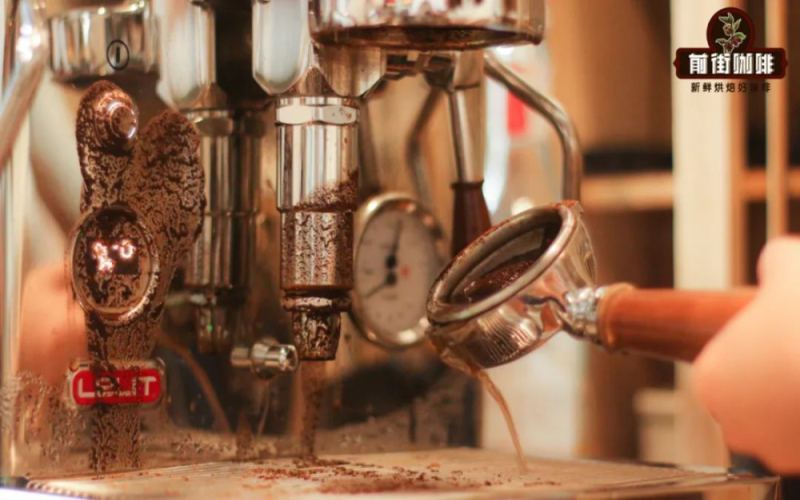
Why Does the Portafilter on an Espresso Machine Blow Off? Common Causes of Uncontrolled Extraction Pressure and How to Prevent Them
Front Street Coffee recently noticed that many coffee enthusiasts, when operating espresso machines, make some improper movements that cause the portafilter to suddenly fly out of the group head during or even after extraction, creating a scene that is both embarrassing and dangerous. This kind of machine blowout can, at best, dirty the equipment, and at worst, injure someone. What exactly causes the portafilter to be "blown" out? In this article, Front Street Coffee sorts out three common scenarios—when removing the portafilter, during espresso extraction, and when cleaning the coffee machine—analyzing one by one the causes such as improper pressure release, grinding too fine, overdosing, and not locking the portafilter tightly, and offering corresponding prevention and operating suggestions to help you enjoy espresso safely and steadily. [more…]
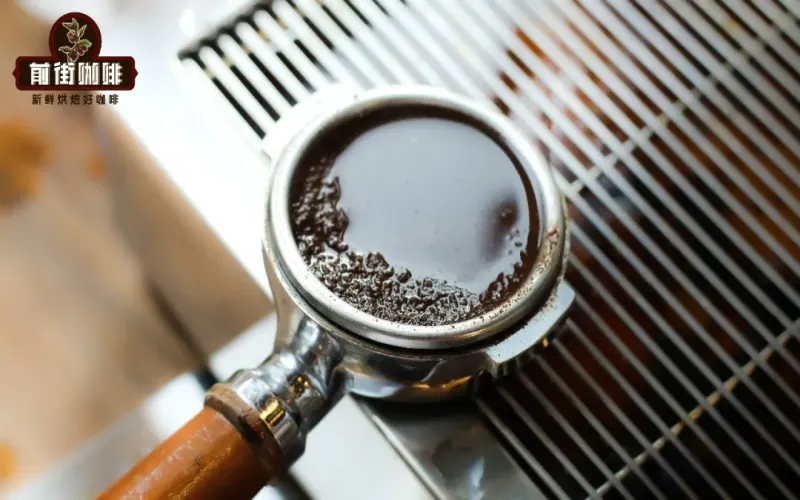
A Complete Analysis of the Causes of Water Pooling in Espresso Portafilters: How Dose, Grind Size, and Machine Condition Affect Puck Formation
After pulling an espresso shot, standing water left in the portafilter basket and a wet, mushy puck that won't hold its shape are problems many coffee enthusiasts run into. This article systematically sorts out several common causes of water pooling in the basket: too small a dose, a grind that is too coarse or too fine, and unstable pressure delivery from the espresso machine. The article points out that standing water is essentially a reflection of the extraction parameters and the machine's condition, and does not necessarily mean the coffee will taste bad; what truly affects flavor is the parameter error itself. Front Street suggests that if the flavor is off, you should first adjust the dose or the grind parameters to correct the coffee's taste, rather than simply fixating on the standing water. [more…]
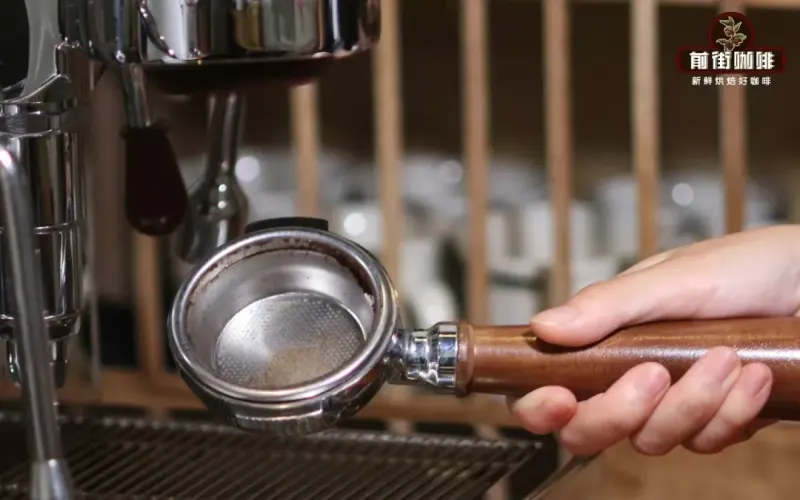
Why does the espresso puck stick to the group head? How does the pressure relief function prevent the risk of machine explosion?
When making espresso, a puck sticking to the group head is an embarrassing situation many baristas dread most. Behind this is actually a close relationship with the espresso machine's pressure relief function—after extracting the coffee, the machine needs to release the residual pressure in the portafilter basket, otherwise removing the handle could cause the machine to explode. So why exactly does the puck get stuck? And how does the pressure relief valve work? Front Street Coffee will explain these issues clearly in one go, from principles to practical operation, helping you understand and avoid this kind of "work nightmare." [more…]
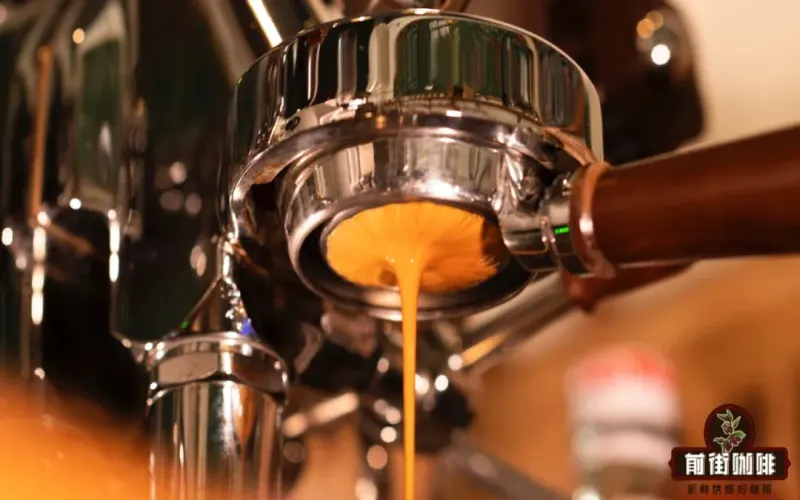
Uncovering the Hidden Factors Behind Unstable Espresso Extraction: How Residual Grounds, Water Temperature, Pressure, Environment, and Chamber Pressure Affect the Flow
Many coffee enthusiasts will notice that with the same beans and the same machine, the flow rate of espresso can change every few hours or even every few dozen minutes, sometimes fast and sometimes slow. Beyond the aging characteristics of the coffee beans themselves, there are actually quite a few easily overlooked hidden factors influencing the extraction results, including residual grounds in the grinder's chute, temperature fluctuations in the espresso machine's hot water, the state of the pump pressure, changes in ambient temperature, humidity and air pressure, and whether the grinder's hopper pressure remains stable in a café setting. Front Street will analyze these factors' mechanisms of influence on espresso extraction one by one, and provide corresponding improvement solutions to help everyone reduce unnecessary adjustments and make their output more consistent. [more…]
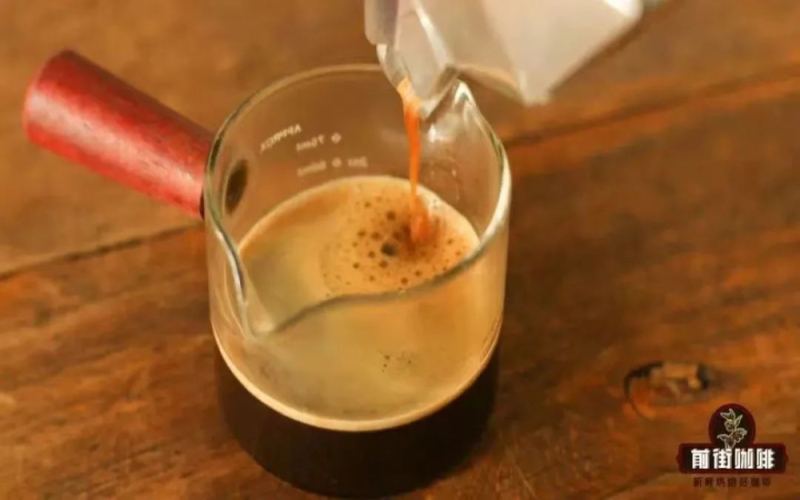
Does Moka Pot Coffee Count as Espresso? Tracing the True Origin of Crema Through the Evolution of Extraction Pressure
Both moka pots and espresso machines use pressurized extraction, so many people regard the moka pot as a home version of an espresso machine, and even believe that what it makes is espresso. But can the two really be equated? This article starts with the birth of the coffee machine and its pressure iterations, sorts out the process by which the definition of Espresso was established, and traces the evolution of the moka pot from its introduction in 1933 to the dual-valve version in 2020. You will discover that the pressure gap between 1~2 bar and 9 bar determines the essential difference in coffee concentration and Crema thickness. At the same time, it will also explain what kind of beans to choose if you want moka pot coffee to be richer and have more oils, and why the Front Street Coffee espresso bean series is suitable for home beginners. [more…]
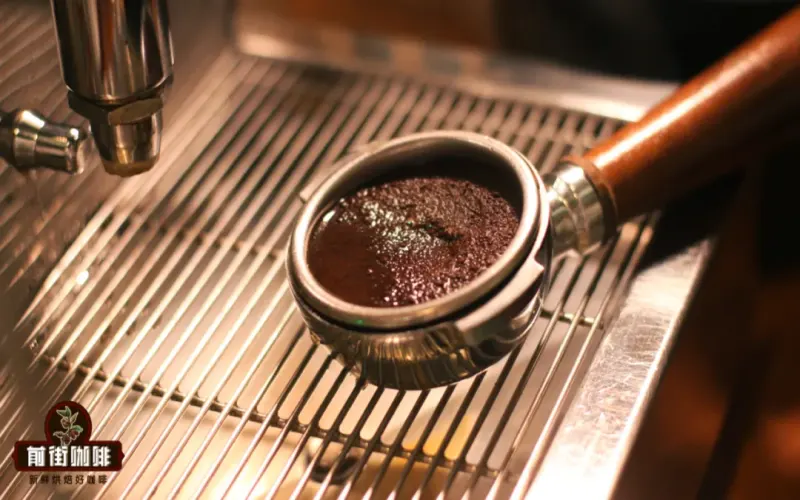
Analysis of the Causes of Watery Puck After Espresso Extraction: How Too Fine Grinding, Too Little Coffee Dose, and Insufficient Pressure Affect the Shot
When pulling espresso, you sometimes remove the portafilter and find a large amount of hot water left in the basket, with the puck wet, even loose and misshapen. This phenomenon not only affects consistency in the cup but also makes it hard to identify the root cause. Starting from the principles of espresso extraction and pressure release, this article systematically breaks down the three common causes of water pooling in the basket: grinding too fine, which impedes the flow of hot water through the coffee bed; using too small a dose, which leaves too much distance between the puck and the shower screen; and insufficient pressure on home machines, which weakens the back-suction effect. It also offers Front Street Coffee's adjustment suggestions to help coffee enthusiasts quickly pinpoint the problem and improve extraction flow rate and puck condition. [more…]
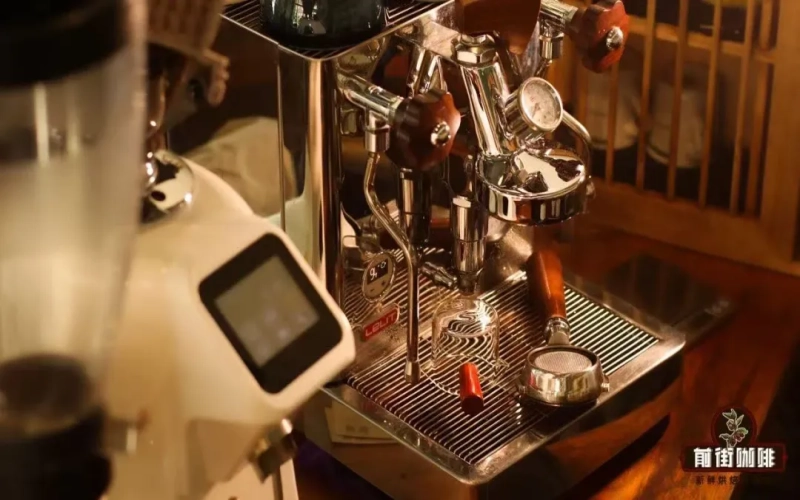
Espresso Machine Gasket Replacement Tutorial: Causes of Unstable Pressure, Weakened Steam, and Coarse Milk Froth, Plus Deep Cleaning Methods for the Whole Machine
Erratic pressure during extraction, weakening steam, and milk foam that just won't froth up no matter what—these problems are often not a sign of declining skill, but rather that your espresso machine is due for maintenance. Drawing on Front Street's practical experience, this article systematically lays out the daily and deep cleaning routines for espresso machines: including flushing hot water before and after extraction, wiping the steam wand, backflushing, soaking the steam tip to remove scale, as well as how to judge when the group head gasket is wearing out and how to replace it yourself. It also covers the key cleaning points and recommended intervals for the water tank, boiler, and portafilter, helping you keep your espresso machine producing consistent shots and extend its service life. [more…]
How to Properly Taste Espresso | Where Does Italian Coffee Come From? What Is the Authentic Italian Espresso Standard Method and Principle?
For more specialty coffee knowledge, please follow: Front Street Coffee (Frontsteet Coffee). The earliest method of making Espresso was born in 1884, when an Italian named Angelo Moriondo designed a machine that obtained [more…]
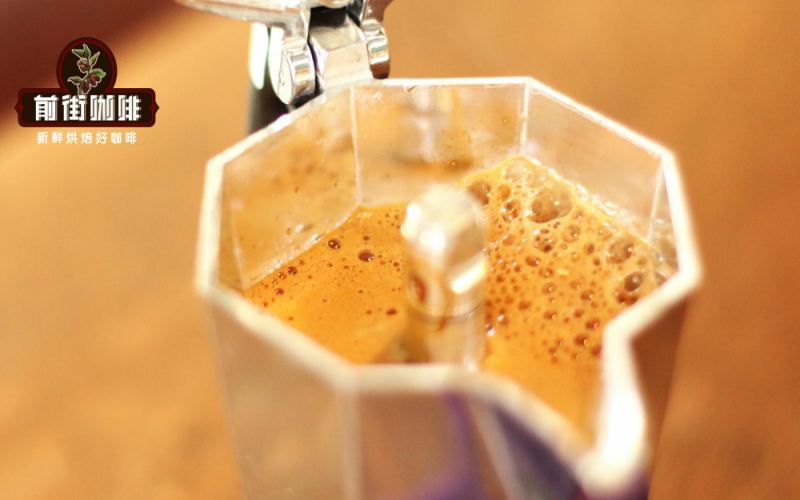
What's the difference between the crema extracted by a moka pot and an espresso machine? A comprehensive analysis from the origins of their invention to the pressure differences
Since its invention in 1933 by Italian engineer Alfonso Bialetti, the moka pot has become the entry-level choice for many coffee lovers thanks to its compact convenience and ability to brew rich, strong coffee. However, many people mistakenly believe that a moka pot can extract the same thick, golden crema as an espresso machine, and use it for latte art. In fact, the fundamental difference in pressure between the two determines that the crema produced by a moka pot cannot match a coffee machine in either fineness or persistence. So what exactly is crema? Where does the extraction pressure difference between a moka pot and a coffee machine lie? And what can you do to get thicker crema from a moka pot? This article will answer these questions one by one. [more…]
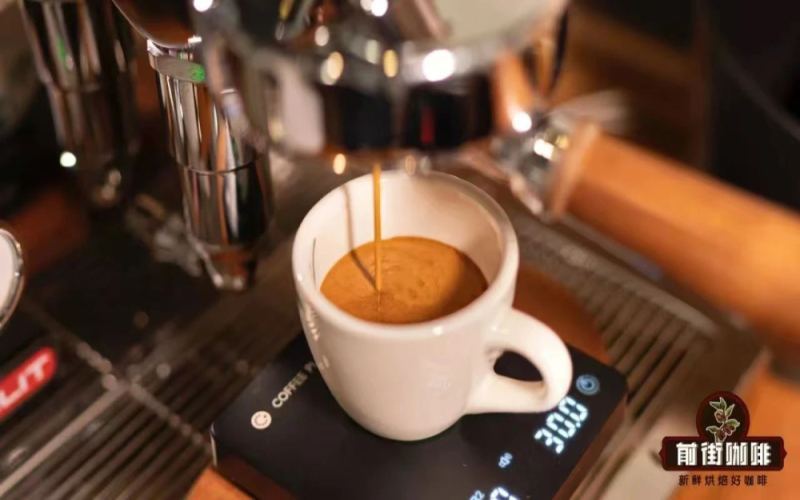
Espresso Fully Explained: Origins of the Concept, Extraction Principles, and an Introduction to Tasting Methods
Espresso is a highly representative extraction method in the coffee world, with a history that can be traced back to late 19th-century Italy. From the perspective of Front Street Coffee, this article systematically reviews the origins of espresso and the evolution of machines, its standard definition and flavor characteristics, the scientific principles behind crema formation, and extraction parameters and tasting methods. The article also introduces the extraction standards of the Specialty Coffee Association (SCA), and, combined with the actual offerings at Front Street stores, shares the extraction parameters and flavor performance of the "Sunflower Warm Sun Blend Coffee Beans," making it suitable reading and reference for enthusiasts who wish to gain a deeper understanding of espresso. [more…]
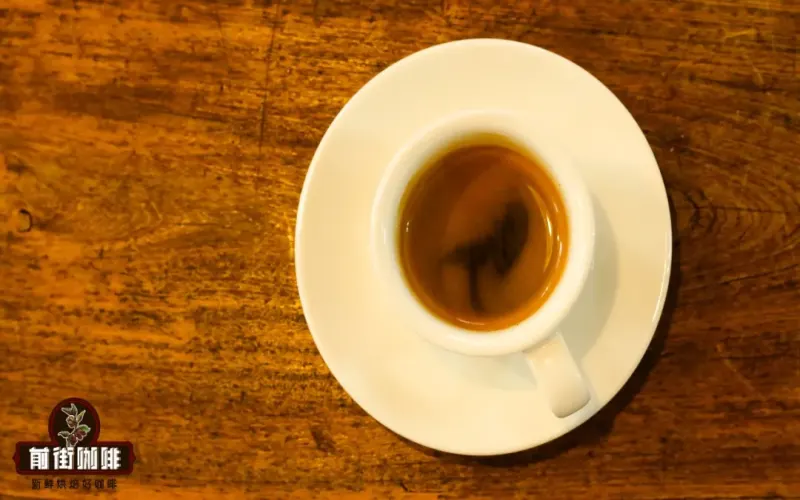
Why Moka Pots and Espresso Machines Produce Thin Crema: The Nature of Crema, Carbon Dioxide, and Pressure Explained
Many friends who use moka pots or espresso machines run into the problem of thin crema in their espresso. In fact, what we call "coffee oil" isn't real oil at all, but an emulsion-like foam called crema, formed when coffee lipids wrap around carbon dioxide bubbles. Two core factors affect how rich the crema is: the carbon dioxide content of the coffee beans themselves, and the pressure applied during extraction. Carbon dioxide content depends on roast level and freshness, while pressure is closely tied to dose and grind size. This article breaks down the reasons for thin crema one by one, explains why the amount of crema doesn't directly equate to coffee quality, and recommends Front Street Coffee beans suited to moka pots and espresso machines, helping you adjust your extraction approach accordingly. [more…]
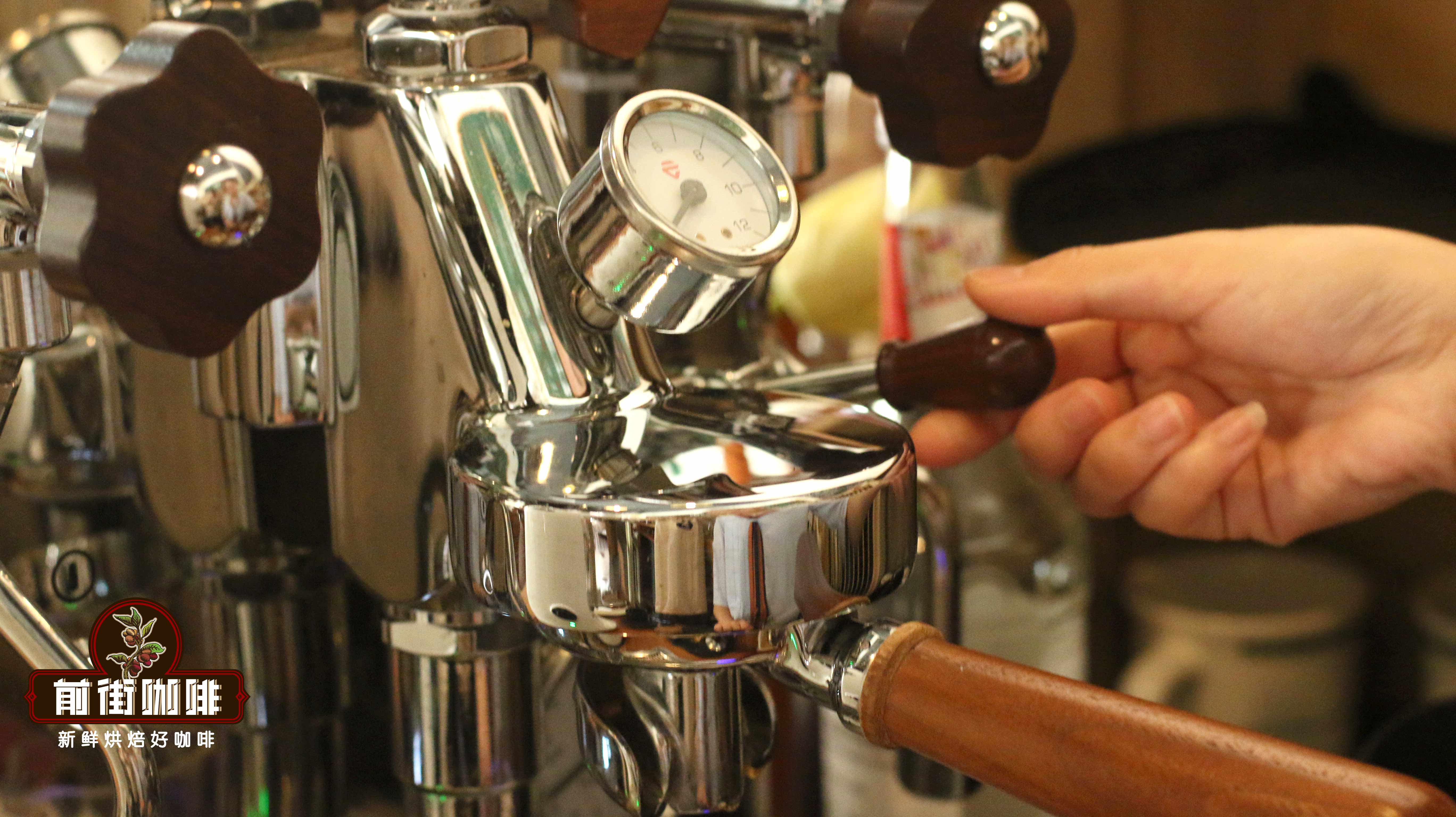
A Detailed Guide to Backflushing the Group Head of a Semi-Automatic Espresso Machine and Daily Maintenance Methods
The espresso machine is the core equipment of a coffee shop. Regular cleaning not only extends the machine's lifespan but also ensures the consistency of every cup produced. This article focuses on the key step of cleaning the interior of the group head, explaining in detail the specific procedures for quick cleaning, daily backflushing, and long-term maintenance. From judging residue on the dispersion screen to the backflush process using a blind basket with cleaning powder, and then to soaking the portafilter to remove oils, each step has clear requirements for timing and frequency. At the end, it also reminds readers that professional deep maintenance is needed every 1–2 years, making this a worthwhile reference for both coffee enthusiasts and industry professionals. [more…]
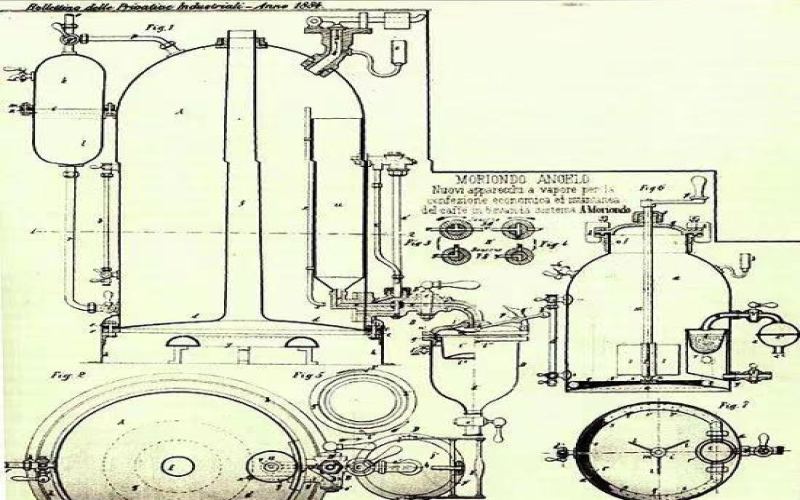
Authentic Italian Espresso Recipe | What Is the Extraction Principle of Italian Espresso? How to Taste Espresso Flavor? Which Coffee Beans Are Suitable for Italian Coffee?
The earliest method of making espresso was born in 1884, when an Italian named Angelo Moriondo designed a patented model of an espresso machine. Initially, the working principle of the espresso machine was based on two separate boilers. [more…]

Pre-infusion in Espresso Extraction: Principles, Effects, and Key Operating Points Explained
In pour-over coffee, blooming is a key step to release carbon dioxide and improve subsequent extraction. So can espresso, before high-pressure extraction, borrow this same idea? The answer is yes—this is what is called "pre-infusion." Starting from the underlying principles, this article will explain the similarities between pre-infusion and pour-over blooming, analyze its actual impact on extraction yield and channeling, and offer specific operating recommendations such as low-pressure water delivery and soaking duration. It will also explain which beans are suitable for pre-infusion and in which situations this step can be skipped, helping you manually make more consistent espresso even on a machine without a one-touch pre-infusion function. [more…]
A Comprehensive Analysis of the Origins, Evolution, Standard Extraction Parameters, and Tasting Methods of Espresso
Espresso is the base for many coffee drinks. From its patented design in the late 19th century to the modern 9-bar extraction standard, its evolution has spanned more than a hundred years. This article begins with its historical origins, traces the iterative development of the principles behind making espresso, explains the formation mechanism of crema and the importance of fresh roasting, and provides SCA extraction parameter references. At the same time, using a properly extracted espresso as a sample, it introduces the complete method from cleansing the palate to tasting in three sips. The article also includes the specific recipe and extraction data for the Sunflower Warm Sun blend coffee beans used in Front Street Coffee (FrontStreet Coffee) store output, for coffee enthusiasts' reference. [more…]
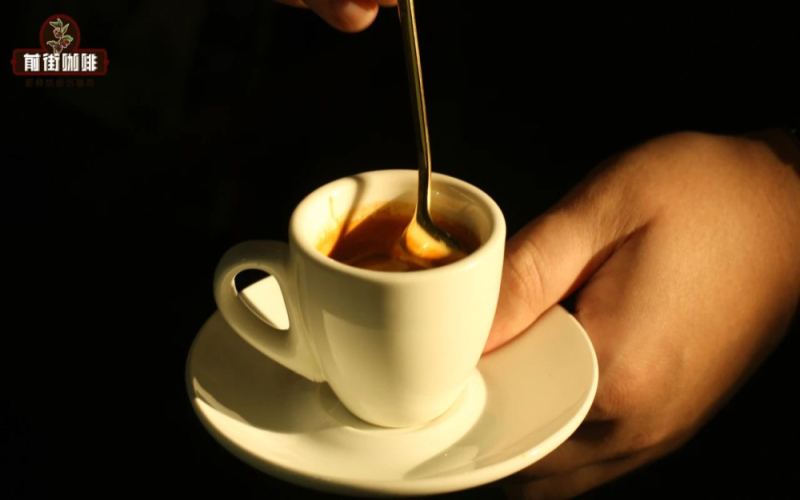
An In-Depth Interpretation of Espresso: Definition, Crema Characteristics, Brewing Process, and Flavor Profile
Why does a barista standing in front of the espresso machine every day always take a small cup of strong espresso first? This coffee liquid, called Espresso, is the core representative of Italian coffee culture. It is rapidly extracted under high temperature and high pressure by a pump-driven espresso machine, and its surface is covered with a layer of golden foam. From the perspective of Front Street Coffee, this article will systematically explain the definition of espresso and its two core characteristics—the Cream layer and high-concentration flavor. At the same time, it will break down in detail the complete process of making Espresso in-store, including key parameters such as dose, extraction ratio, and time control, and introduce the flavor performance of Front Street Sunflower Warm Sun blend beans in espresso, as well as how Espresso extends into Americano and Latte. [more…]
What Is Pre-Infusion in Espresso? Principles, Techniques, and Extraction Time Reference
In pour-over coffee, blooming is an almost indispensable step, as it helps release carbon dioxide and makes subsequent extraction more stable. So in the high-pressure extraction of espresso, is a similar "blooming" also needed? The answer is pre-infusion. This article will start from the definition of pre-infusion, the applicable equipment, and the logic for adjusting duration and pressure, combining the two major issues of fresh bean degassing and channeling to explain the practical role of pre-infusion. Then, using Front Street Coffee's Warm Sun blend as an example, it will use the Lelit Bianca V3 to conduct comparative extractions with and without pre-infusion, presenting differences in crema condition, flavor layers, and flow rate, to help coffee enthusiasts understand the value of pre-infusion in espresso output. [more…]
What Is Espresso? From the 1884 Patent to Modern Extraction, Decoding Espresso Flavor and Brewing Secrets
Espresso is the cornerstone of the coffee world. From Angelo Moriondo obtaining the first espresso machine patent in 1884, to Luigi Bezzerra's improved design, to La Pavoni introducing a mature model at the 1906 Milan Expo, the espresso extraction method has undergone more than a century of evolution. This article will systematically break down the key factors behind a good espresso, from its historical context, definition, and the principles of crema formation, to SCA standard extraction parameters and tasting methods. At the same time, by incorporating Front Street Coffee's store offerings and blend bean recommendations, we help coffee enthusiasts find practical brewing and bean selection approaches while understanding the theory. [more…]
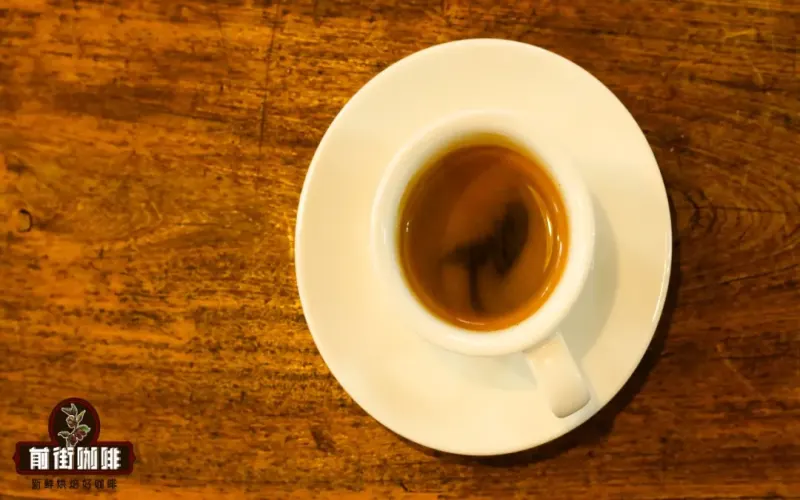
Espresso Crema Extraction Techniques | Is Coffee Crema Actually Oil? How to Make Espresso Black Coffee with Crema Using an Espresso Machine or Moka Pot?
A while back, when Front Street Coffee was tinkering with a moka pot in the shop, a friend saw that the moka pot coffee Front Street brewed had a very thick layer of crema, so they asked Front Street for the secret to brewing such thick crema, because the moka pot coffee they brewed at home had very thin crema. The same situation often occurs with espresso machine users as well. [more…]